
Root Canal Treatment in East Brunswick
Saving Teeth While Keeping You Comfortable

Root canal treatment has a reputation for being intimidating, but here at our specialty dental practice in East Brunswick, Dr. Kim focuses on providing gentle, precise care that prioritizes your comfort at every step. Thanks to his advanced training and board certification, he’s able to deliver high-quality root canal treatment while ensuring you have an easy experience in the chair. Continue reading to learn a little more about what goes into this process, see how it can help, or contact our team if you’re ready to schedule an appointment.
Why Choose Legacy Endodontics for Root Canal Treatment?
- Board-Certified Endodontist
- Same-Day Emergency Dentistry Available
- Compassionate Care in a Calming, Spa-Like Environment
Do I Need Root Canal Treatment?

You may need a root canal if the inner tissue of your tooth, known as the pulp, becomes inflamed or infected due to deep decay or severe physical trauma. When you come in for your appointment, Dr. Kim will be able to provide you with an accurate diagnosis; however, some common signs that may indicate a root canal is needed include:
- Persistent tooth pain, especially when chewing or applying pressure
- Prolonged tooth sensitivity to hot or cold
- Swelling or tenderness in the gums near the affected tooth
- Darkening or discoloration of the tooth
The Root Canal Process

The root canal process is surprisingly straightforward, and it will not cause you any outright pain (despite what you might have seen in movies or on TV). After thoroughly numbing the area, Dr. Kim will create a tiny opening in the tooth and go in to gently remove the infected or damaged pulp from inside. The space is then carefully cleaned, disinfected, and sealed to prevent further infection, and it’ll be filled with a biocompatible material to help the tooth retain its structure. In many cases, a custom-made dental crown is placed on top to further strengthen and protect the tooth, also granting it full functionality.
The Benefits of Getting a Root Canal

Getting a root canal offers several important benefits, starting with the ability to save your natural tooth, which is always going to be preferable to having it removed. Plus, unlike with an extraction, a root canal allows you to maintain your normal bite and chewing function without needing a replacement. It also helps to prevent the spread of infection to nearby teeth and tissues, protecting your overall oral health. Best of all, modern root canal treatment is highly effective at bringing relief from lasting pain, allowing you to smile, eat, and speak with confidence again!
Understanding the Cost of Root Canals

If you’re suffering from a painful toothache, the last thing you want to worry about is how much does a root canal cost? The good news is that your emergency dentist in New Brunswick understands your concerns, which is why we’re happy to give you a complete breakdown of your total following your consultation with Dr. Kim. Although we understand you may prefer to be given a quote over the phone, there are a variety of factors that can affect the price of your root canal, each of which is unique to you and your smile. Thus, for the most accurate total, please contact us for an in-person examination first.
Factors That Can Affect Root Canal Cost
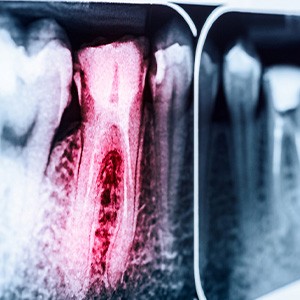
Because there are so many factors to consider when calculating the cost of your root canal, Dr. Kim will need to examine your smile in person before we can quote you a price. These factors include:
- The location and type of the tooth that needs the root canal.
- How difficult the root canal will be to perform.
- If you require any additional treatments along with your procedure, such as a dental crown.
Is It Cheaper to Pull My Tooth?
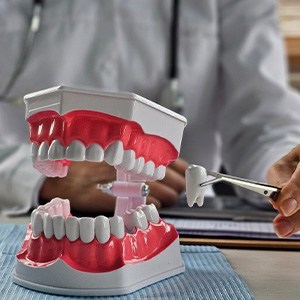
In an effort to save money, patients sometimes ask if it’s more economical to simply extract the infected tooth instead of performing a root canal procedure. However, while it is true that extractions are generally less expensive up front, they come with a lot of additional costs later. When you remove a permanent tooth, your remaining teeth will eventually begin to drift out of alignment, which could ultimately result in even more tooth loss. Thus, if you do opt for an extraction, Dr. Kim will likely recommend replacing the tooth with either a dental implant, dental bridge, or partial denture, each of which will incur additional costs and could take many months to complete. Ultimately, it is often more affordable to save the tooth with a root canal than having it extracted. No matter what you decide, however, don’t wait too long, as the more time that passes without treating an infected tooth, the more likely you’ll need an extraction either way!
Does Dental Insurance Cover Root Canal Treatment?

The good news is that in most cases, dental insurance will cover at least a portion of a root canal treatment. Typically, this coverage will range between 50% to 80% after you’ve met your deductible. Please be aware, however, that each plan is different, which is why we’re pleased to assist you by verifying your benefits, filing your claims, and even maximizing your benefits on your behalf.
Other Options for Making Root Canal Treatment Affordable

At Legacy Endodontics, we understand that treating a painful tooth infection is incredibly important, but that not everyone has the budget to do so immediately. That’s why we’re pleased to partner with Cherry, our preferred third-party lender, to welcome flexible financing plans that can split up the cost of your root canal into multiple, low or no interest monthly payments. You can apply for Cherry right on our website, or don’t hesitate to contact our friendly team for more information about this program before your upcoming visit.
Root Canal FAQs
What happens if you wait too long for a root canal?
Unlike many of the tissues in the human body, dental enamel does not have the ability to heal itself. A dental infection that has breached the outer layers of the tooth will not get better on its own and will only become more aggravated until it is resolved by a qualified oral health professional such as Dr. Kim. When the infection reaches the pulp of the tooth, the patient will probably experience miserable pain, and the problem may even spread to other parts of the mouth or cause dangerous secondary infections like sepsis or pneumonia. Even if the severe pain seems to disappear after some days, this may be due to the germs killing the nerves inside the tooth, which means the infection will go on despite the lack of discomfort.
If Dr. Kim recommends a root canal, you can rest assured it is the best option for your oral health. The recovery process associated with modern root canals is quite mild, and any temporary discomfort that can come with it will be far preferable to the horrible, throbbing pain of an ongoing toothache.
Can root canals be prevented?
It is almost always possible to prevent the need for a root canal by practicing excellent oral hygiene, limiting your intake of sugars and acids, and visiting your dentist regularly for routine exams and cleanings. It’s also a great idea to protect your teeth from damage by chewing mindfully and wearing protective appliances like athletic mouthguards and nightguards when necessary. Dentists are trained to seek the most conservative solution to any oral health issue, so it’s fair to assume that all other treatment options have been eliminated if your oral health provider is recommending a root canal. Dr. Kim always begins the root canal process by applying an appropriate anesthetic to render the treatment painless, and the recovery period can be remarkably mild if the patient adheres to their aftercare instructions.
How long does it take to recover from a root canal?
While recovery times can vary significantly among root canal patients, most of them are able to return to work or school the next day. However, it’s best to avoid intense physical activity for several days after the procedure, so it may be necessary to take a few days off if your job involves extensive manual labor. While you can expect some soreness, this can be addressed by taking prescribed or over-the-counter pain medication as directed. You’ll probably want to stick to a soft diet and chewing on the side of the mouth opposite to your root canal while recovering. While you can brush and floss normally after the treatment, be especially careful when cleaning near the treated tooth. However, please contact our office in East Brunswick if your discomfort seems to be getting worse after several days.