
Apicoectomy in East Brunswick
Targeted Solutions for Protecting Your Natural Teeth
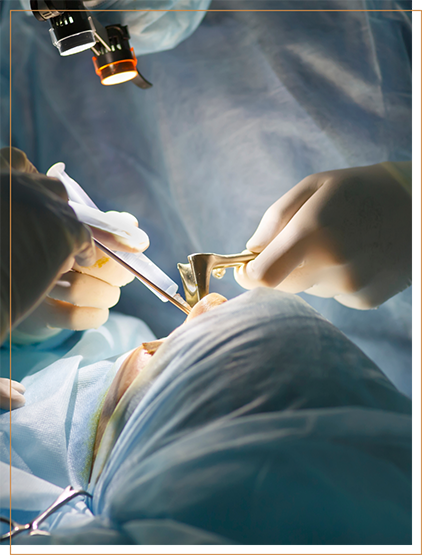
When a root canal alone isn’t enough to fully heal an infected tooth, an apicoectomy may be the next step. This minor surgical procedure targets the tip of the tooth’s root to remove lingering infection and promote proper healing without needing to extract it. This procedure can save your troubled tooth and help it remain a healthy part of your smile moving forward, and you can learn more about apicoectomies in East Brunswick below.
Why Choose Legacy Endodontics for Apicoectomies?
- Board-Certified Endodontist Over a Decade of Clinical Experience
- Modern Office with Most Up-To-Date Technologies to Deliver Precise Treatment
- Same-Day Emergency Dentistry Available
What Is an Apicoectomy?
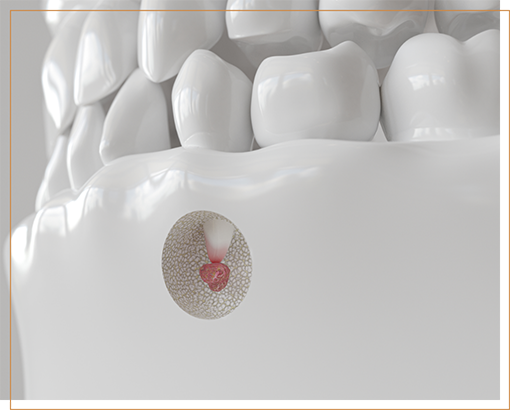
An apicoectomy is a specialized procedure that is used to treat infection or inflammation at the tip of a tooth’s root, often when a previous root canal hasn’t fully resolved the issue. During the procedure, Dr. Kim will carefully remove the very end of the tooth’s root, along with any surrounding infected tissue, before carefully sealing the area to prevent future problems. It’s a safe, straightforward way to save a tooth and promote long-term oral health when other treatments fall short.
The Apicoectomy Treatment Process
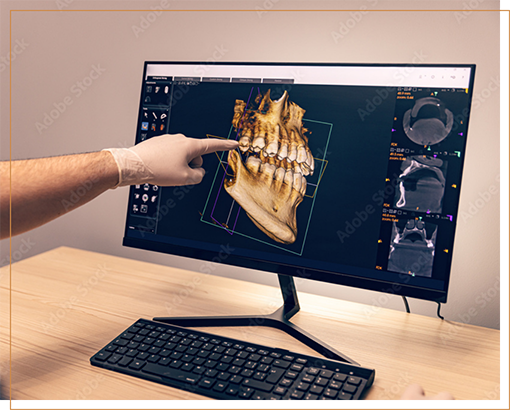
Dr. Kim performs apicoectomies with a focus on precision, safety, and patient comfort. The procedure is typically done under local anesthesia, and most patients report minimal discomfort during their recovery. Using advanced imaging techniques, Dr. Kim will first carefully enter the compromised tooth’s root tip through a small opening made in the gum and bone. After removing the infected tissue and sealing the area, healing can begin.
What Happens After My Apicoectomy?

After your apicoectomy, it’s normal to experience mild swelling or discomfort for a couple of days, which can usually be managed with over-the-counter pain relievers. Dr. Kim will also provide clear aftercare instructions to support a smooth recovery, including tips for keeping this area clean and avoiding unnecessary pressure on the tooth. Most patients return to their normal routine quickly! Of course, if you do experience any rare complications, you’ll want to let Dr. Kim know at once.